The Double Ninth Festival: A Celebration of Autumn, Longevity, and Family
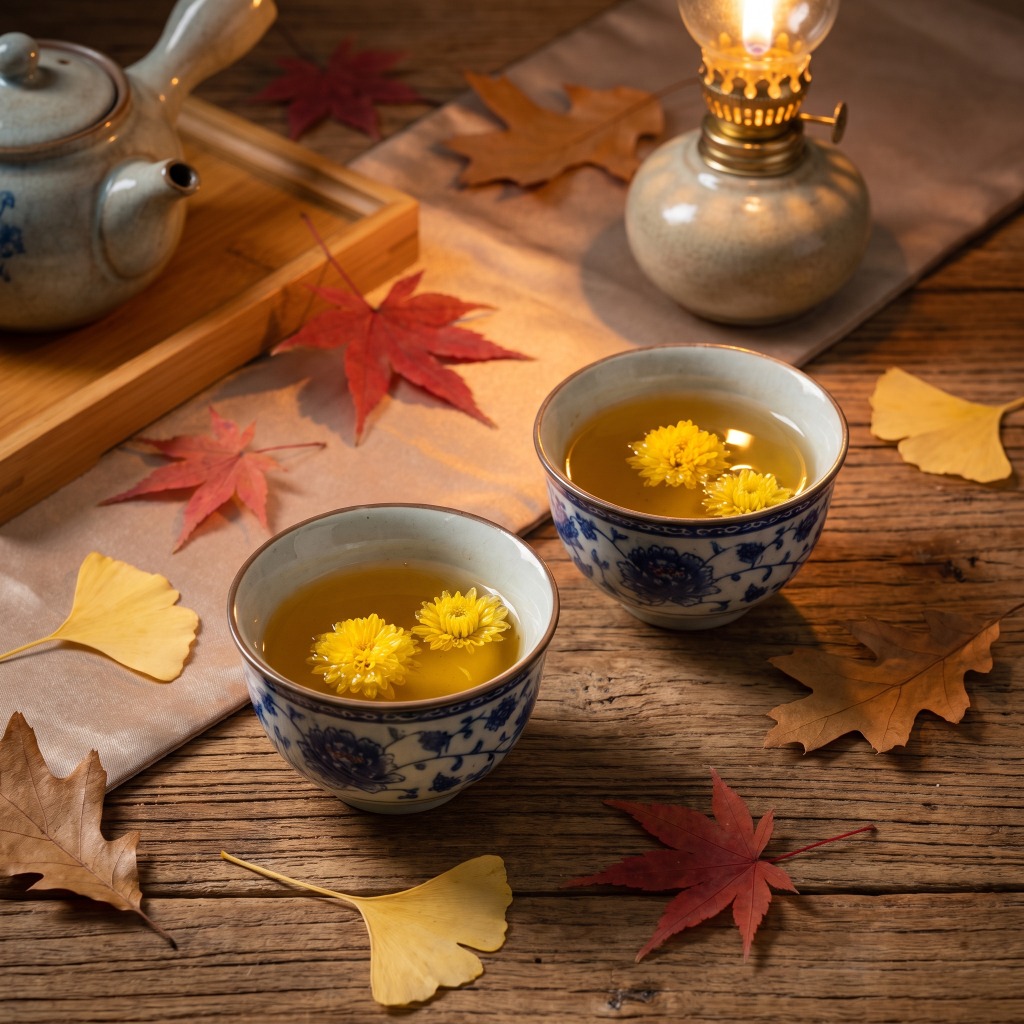
The Origin of a Millenary Tradition
The Double Ninth Festival (Chongyang Festival) falls on the ninth day of the ninth month in the lunar calendar, typically in October. This ancient Chinese celebration is rich with meaning — it's a day dedicated to honoring elders, cherishing longevity, and embracing the beauty of autumn.
The festival's origins trace back thousands of years. According to Chinese mythology, an ancient folktale speaks of a demon that would plague a village each year on the ninth day of the ninth month. The villagers discovered that by climbing to high places, drinking chrysanthemum wine, and wearing cornel branches, they could ward off the evil spirit. This tradition of ascending heights, enjoying chrysanthemum arrangements, and sharing festive foods has endured for centuries.
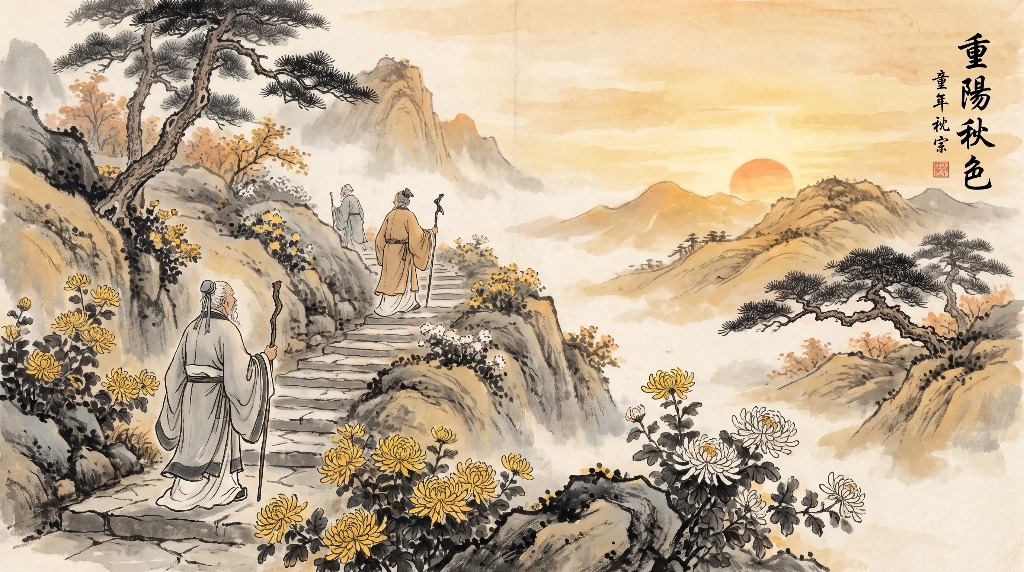
The Symbolism of Number Nine
In Chinese culture, the number nine (九, jiǔ) is considered auspicious — it sounds like the word for "forever" (久) and represents yang energy, completeness, and longevity. When doubled (九九, jiǔjiǔ), it symbolizes eternity and the eternal bond between generations. This is why the Double Ninth Festival has become China's Elderly Day, a time to show respect and gratitude to our senior family members.
"When the chrysanthemums bloom, the ninth month arrives."
This old Chinese saying captures the essence of the festival — autumn has fully arrived, chrysanthemums are in full bloom, and families gather to celebrate.
The Way of Chrysanthemums
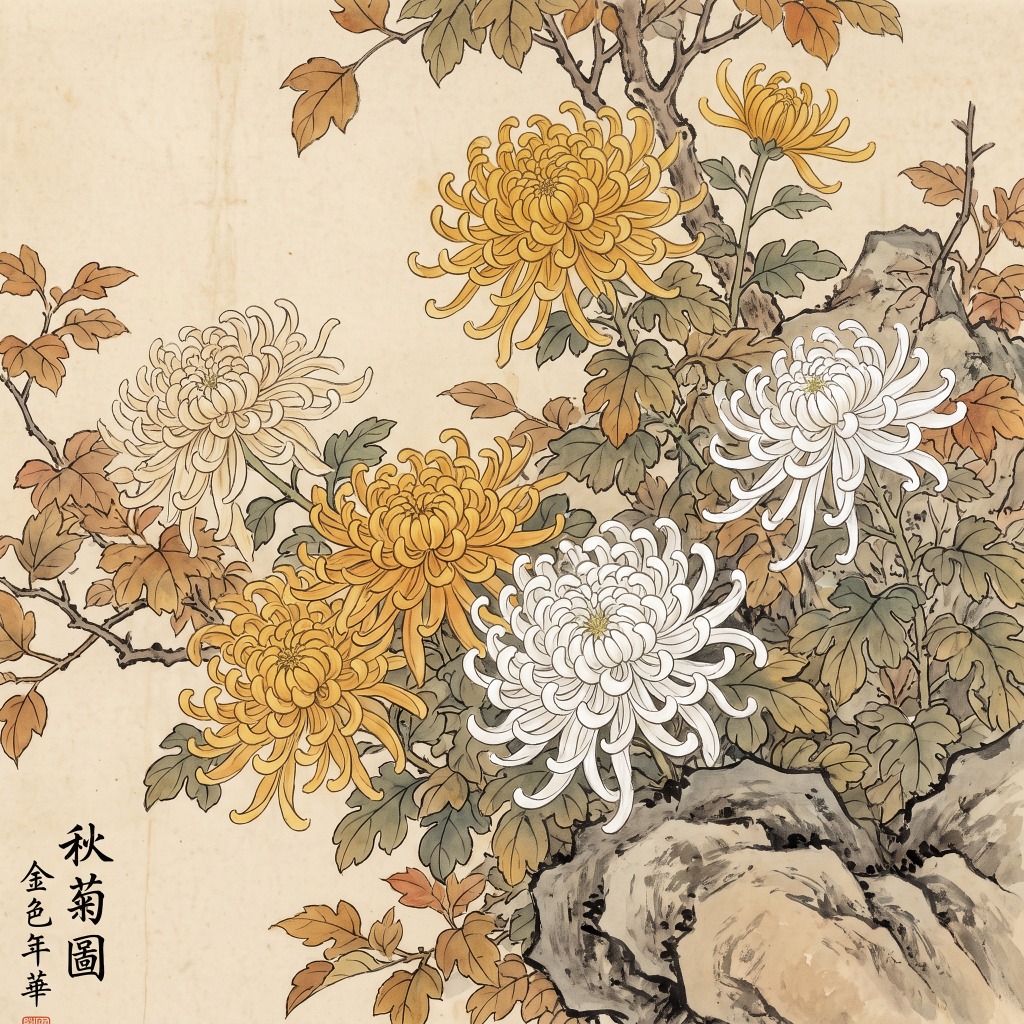
No Double Ninth Festival is complete without chrysanthemums (菊花, júhuā). Known as the "gentleman among flowers," the chrysanthemum blooms in autumn when other flowers have faded, symbolizing resilience, courage, and the beauty of aging gracefully.
During the festival, chrysanthemum exhibitions are held across China. Gardens are adorned with thousands of chrysanthemum varieties — golden yellows, pure whites, deep purples, and vibrant reds. The flowers are displayed in intricate arrangements, and their delicate fragrance fills the autumn air.
A Feast of Autumn Flavors
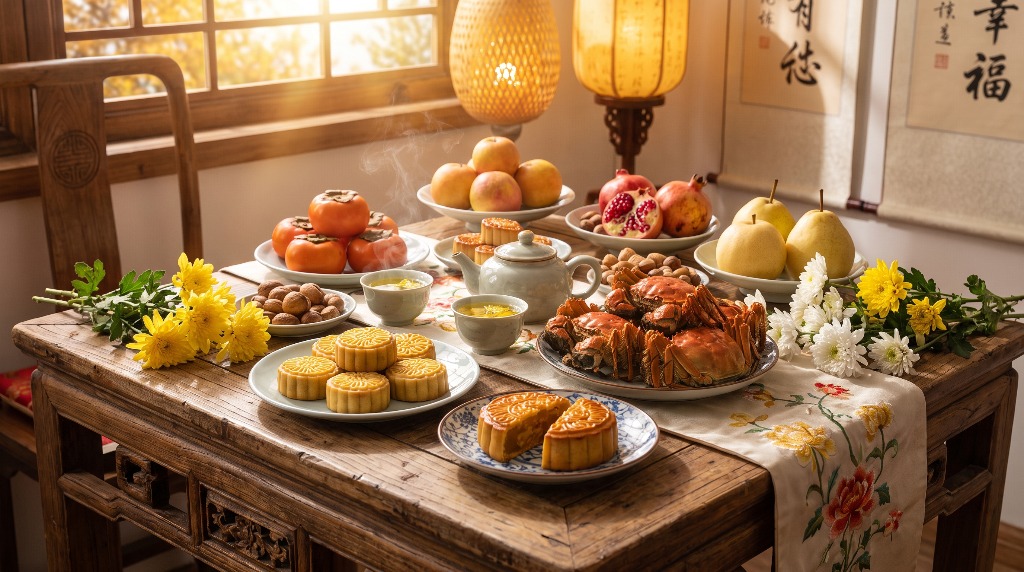
The Double Ninth Festival is a culinary celebration as much as a cultural one. Here are the traditional foods that grace the festival table:
🍶 Chrysanthemum Wine (菊花酒)
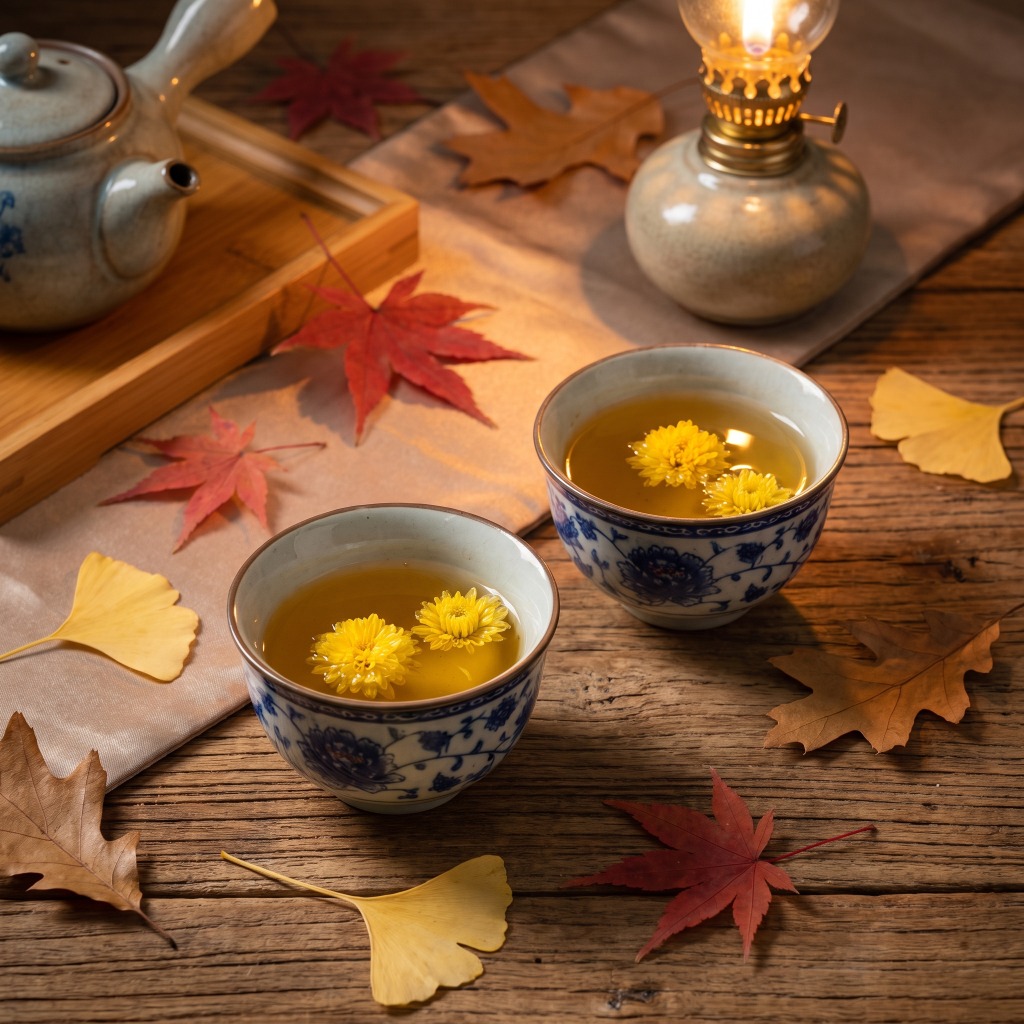
The centerpiece of the celebration is chrysanthemum wine. This ancient elixir has been brewed in China for over 1,500 years. Made by steeping fresh chrysanthemum petals in grain wine, it was traditionally believed to bring cleansing, longevity, and protection from illnesses.
The preparation is ceremonial — families would pick chrysanthemum flowers on the morning of the festival, dry them in the sun, and then steep them in wine. Each sip is meant to wish for a long and healthy life.
🍰 Chrysanthemum Cakes (重阳糕)
Chrysanthemum cakes are a beloved festival treat. These sweet rice cakes are layered with red bean paste, dried fruits, and nuts, often decorated with chrysanthemum patterns or the Chinese character for "longevity" (寿). In some regions, the cakes are shaped like chrysanthemum flowers or mountain peaks to echo the mountain-climbing tradition.
The糕 (gāo) in the name also sounds like高 (gāo), meaning "tall" or "high" — another reference to the tradition of climbing heights.
🦀 Autumn Crabs
For many families, no autumn celebration is complete without steamed crab. The ninth month marks the peak of the crab season — the meat is plump, the roe is rich, and the flavor is at its finest. Families gather around the table to crack open shells, share stories, and savor this seasonal delicacy.
🌿 Cornel Dogwood Branches (茱萸)
Though not a food per se, cornel dogwood branches (茱萸, zhūyú) are an essential part of the festival. According to tradition, wearing these aromatic branches or placing them in one's belt helps ward off evil spirits and brings good fortune. Some families incorporate the berries into teas or wines for their believed health benefits.
Modern Celebrations
Today, the Double Ninth Festival continues to be a time for family reunions. While some traditions have evolved, the core values remain: respecting elders, embracing autumn's beauty, and strengthening family bonds.
In modern China, the festival often includes:
- Family gatherings with elaborate meals featuring seasonal foods
- Mountain excursions — visiting parks, hiking, and enjoying autumn scenery
- Chrysanthemum viewing at botanical gardens and cultural events
- Community activities honoring senior citizens and elderly residents
A Final Reflection
The Double Ninth Festival reminds us of something profound — the cyclical nature of life, the wisdom that comes with age, and the importance of pausing to appreciate both tradition and the people we love.
As the chrysanthemums bloom and the autumn wind carries the scent of rice cakes and chrysanthemum wine, families across China gather to honor the past while celebrating the present. It's a beautiful reminder that in Chinese culture, growing older is not something to fear, but something to embrace with grace, gratitude, and a cup of warm chrysanthemum wine.
Comments 0
You'll be asked to choose between anonymous and signed-in posting.